
How to Choose a Durable Car Seat That Truly Lasts
Picking the most durable car seat for extended use isn’t about the highest price tag—it’s about verified safety, strong construction, and a fit that you can install correctly every single time. The right choice grows with your child, survives daily messes, and stays compliant over its full lifespan. Below, at A Day in Mollywood, we walk you through exactly how to choose a car seat that truly lasts: start with standards, forecast your child’s growth, select the right seat type, and prioritize steel reinforcement, impact features, and easy-care fabrics. We’ll also show you how to verify expiration dates, register for recalls, and test-fit a seat in your car before you commit.
Start with safety and standards
A long-lasting car seat is one that stays safe over time. Begin by checking the labels and manual on the seat: you should see the manufacturer’s name and contact info, model number, manufacture date, and a statement of compliance with FMVSS 213. Keep the manual handy and register your seat so you’ll receive recall notices and safety updates—register via the manufacturer’s website or through the NHTSA car seat registration portal, and save the confirmation for your records. Clear label checks and registration steps are outlined by BabyCenter’s car seat safety guide (Car seat safety: how to choose and use a car seat).
FMVSS definition: Federal Motor Vehicle Safety Standards (FMVSS) are U.S. regulations that set minimum performance requirements for vehicle and child restraint safety. Car seats labeled as FMVSS-compliant meet testing thresholds for crash protection, labeling, and components, helping parents confirm the product’s baseline safety and eligibility for recalls and guidance (BabyCenter’s car seat safety overview).
Remember the stakes every trip: “In passenger cars, car seats reduce an infant’s risk of fatal injury by about 71%,” according to NHTSA’s Right Seat campaign (The Right Seat, NHTSA). Use the NHTSA Car Seat Finder on that page to confirm you’re considering the right category for your child’s age, height, and weight.
Define your child’s needs and timeline
Durability starts with a seat that fits now and later. Note your child’s current height and weight and plug them into the NHTSA Car Seat Finder (on The Right Seat page) to quickly see recommended stages. Then map your “fit forecast” so you buy once and use for years.
Fit forecast template:
- Child now: e.g., 30 in, 20 lb
- Milestone date: e.g., 6–9 months from now
- Target stage: e.g., rear-facing; then forward-facing with top tether; then booster
- Notes: e.g., room for extended rear-facing; headrest positions available; car space constraints
Keep these safety settings consistent as your child grows:
- Rear-facing as long as possible—at least until age 2 or until your seat’s height/weight limits are met.
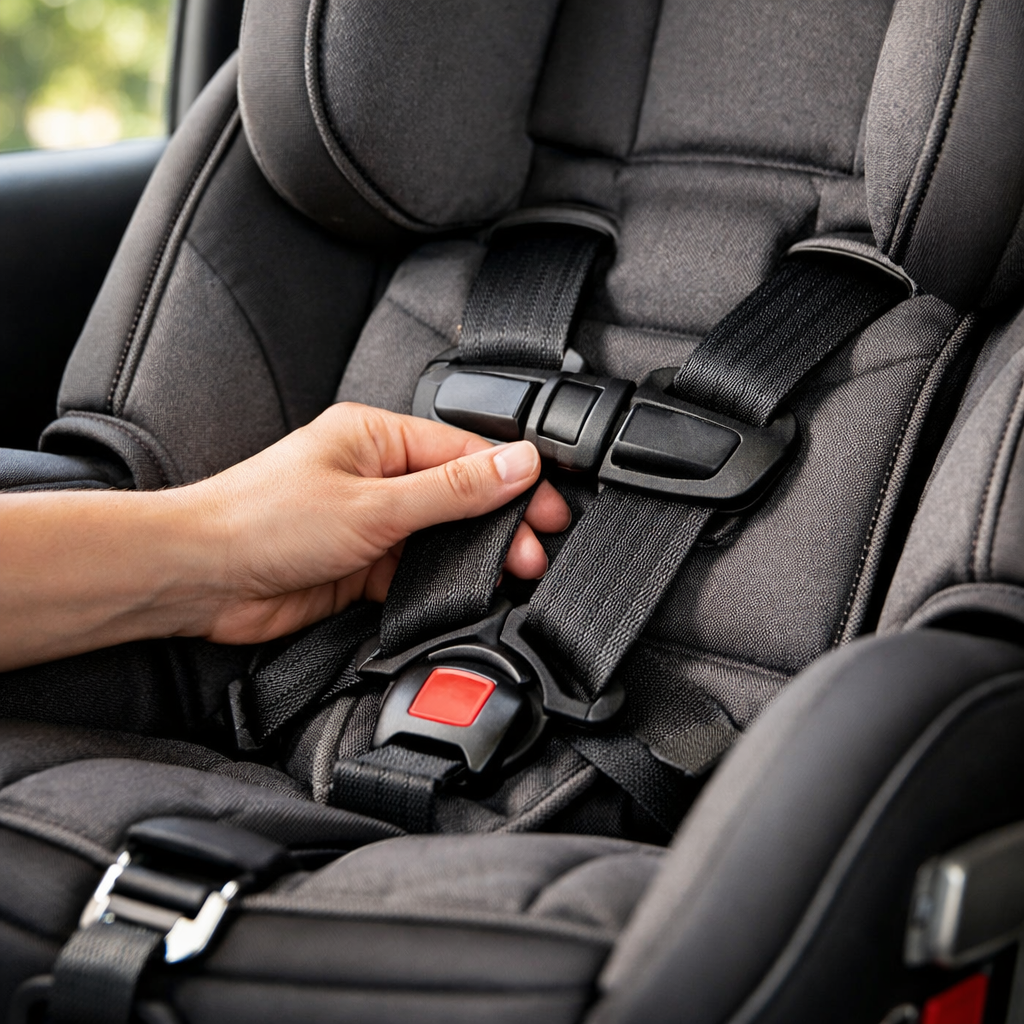
- Harness at or below shoulders when rear-facing; at or above shoulders when forward-facing; chest clip at armpit level. Consumer Reports’ buying guide also summarizes these fit fundamentals (Consumer Reports car seat buying guide).
Pick the right seat type for extended use
Think in terms of years of use and how you travel.
- Infant seat: Great for newborns and easy carrier transfers. Switch when height or weight limits are reached.
- Convertible seat: Starts rear-facing, then turns forward-facing. Excellent for extended rear-facing and multi-year coverage.
- All-in-one seat: Designed to span infant through booster. Check real-world fit in your vehicle and confirm easy, repeatable installs before counting on the full all-in-one car seat lifespan.
Extended rear-facing definition: Extended rear-facing means keeping a child rear-facing until they reach the car seat’s maximum height or weight limit. This position better supports the head, neck, and spine in a crash by spreading forces over the torso, making it the safest orientation for as long as limits allow (Consumer Reports car seat buying guide).
Across types, prioritize impact-management features such as energy-absorbing shells, advanced side-impact protection, and stability add-ons like anti-rebound bars or load legs (How to choose the best car seat features, Safe in the Seat).
Prioritize strong construction and protective features
Durability lives in the engineering. Look for:
- Side-impact protection in the shell and adjustable headrest (or add-on pods).
- Energy-absorbing foam or crumple-zone technology to reduce crash forces.
- Stability features: anti-rebound bars for rear-facing seats; load legs on compatible bases.
- Reinforcements: steel frames, rigid LATCH/ISOFIX where available, and diligent top tether use when forward-facing.
- Five-point harness with easy, repeatable tightening.
- Replaceable parts (harness, covers, bases) so normal wear doesn’t end the seat’s life.
Feature checklist (use this when comparing seats):
| Feature | Why it matters for longevity and safety |
|---|---|
| Five-point harness with no-rethread adjust | Faster daily use; consistent fit over years |
| Steel-reinforced frame | Resists deformation; long-term structural integrity |
| Anti-rebound bar or load leg | Limits rebound/rotation for rear-facing stability |
| Side-impact protection (shell/headrest/pods) | Helps manage lateral forces in a crash |
| Rigid LATCH or built-in lockoffs | Easier, more repeatable installs across vehicles |
| Clear tether routing and indicators | Encourages proper forward-facing restraint |
| Replaceable covers/harness/base | Extends usable life through maintenance and swaps |
Anti-rebound bar definition: An anti-rebound bar is a rigid bar attached to the front of a rear-facing car seat. In a crash, it helps limit the seat’s rebound and side-to-side rotation, improving stability and potentially reducing secondary movement that can injure a child after initial impact (How to choose the best car seat features, Safe in the Seat).
Choose durable, livable fabrics and finishes
Pick materials that stand up to daily life and your climate.
- Leather or leatherette: Highly durable and wipeable; condition periodically to prevent drying or fading (Tips for choosing and caring for seat materials, Accelera).
- Neoprene: Water-resistant and great for spill-prone families; resists stretching and abrasion (Durable cover materials overview, Otomconcept).
- Ballistic fabric: Built for rugged wear; ideal if your seats see heavy use (Durable cover materials overview, Otomconcept).
- High-grade polyester/cloth blends: Budget-friendly, quick-drying; spot-clean carefully to preserve color (Tips for choosing and caring for seat materials, Accelera).
Match materials to climate: breathable, ventilated options for hot weather; vinyl/leatherette can feel colder initially but clean easily in winter. If you’re sensitive to heat or texture, handle in-store swatches or demo seats before buying (Car seat materials and climate basics, Midwest Fabrics). For sanity-saving cleanup, look for removable, zip-off, machine-washable pads wherever offered.
Verify expiration, recalls, and replaceable parts
Yes, car seats expire. Materials age, testing evolves, and manufacturers set a car seat expiration date to ensure performance. Typical lifespans are about 6–7 years (BabyCenter’s car seat safety guide) and 6–10 years depending on model and conditions (Chicco’s durability and longevity guidance). Confirm the exact expiration on your seat’s label or manual.
Before you buy, check whether replacement parts—harnesses, covers, bases—are available, so normal wear doesn’t force an early retirement (Chicco’s durability and longevity guidance). Always replace a seat after any crash, even if damage isn’t visible (Chicco’s durability and longevity guidance). Register your seat for recall alerts and keep your proof of registration with the manual.
Confirm vehicle fit and easy, repeatable installs
A durable choice is one you can install correctly every time. Use the 1-inch wiggle test: at the belt path, try moving the seat side-to-side and front-to-back; it should not move more than 1 inch. For forward-facing, always attach and tighten the top tether. Field data shows misuse remains high—nearly 63% of installations had at least one error—so double-check your setup and get hands-on help if needed (Consumer Reports car seat buying guide). A Day in Mollywood’s quick install checklist can help you verify each step at home.
Where to get help:
- Use the NHTSA Car Seat Finder on The Right Seat page to confirm the correct seat category (The Right Seat, NHTSA).
- Schedule a check with a certified Child Passenger Safety Technician (CPST)—often free through local hospitals, fire departments, or events.
Installability checklist:
- Clear, color-coded belt paths
- Built-in lockoffs or rigid LATCH for easier installs
- Readable recline indicators you can verify at a glance
- Accessible tether anchors and clear routing
- Narrow footprint if you’ll do three-across or seat next to other restraints
If recline comfort is top priority for your infant or toddler, see A Day in Mollywood’s tested picks and fit notes in Best Reclining Car Seats for Babies and Toddlers.
Plan simple maintenance that extends life
Ten minutes a month can add years of comfortable use.
- Quick-clean: vacuum crumbs in seams, then wipe with mild, seat-safe cleaners; condition leather or leatherette gently per manufacturer guidance to prevent drying and fading (Tips for choosing and caring for seat materials, Accelera).
- UV defense: use windshield shades and UV-safe protectants to minimize sun damage and fading over time (Car seat materials and climate basics, Midwest Fabrics).
- Keep it washable: removable, machine-washable pads simplify cleanup and preserve fabric appearance; wash on gentle and air-dry to protect integrity.
Real-life checks before you buy
Validate durability, fit, and ease-of-use with a short trial.
- Test-fit in your vehicle. Confirm LATCH/tether compatibility, and that you can achieve the 1-inch movement rule at the belt path. If possible, visit a CPST for a pre-purchase check.
- Evaluate everyday usability: adjust the harness and headrest one-handed, confirm the buckle paths are intuitive, and check that cover removal is straightforward and machine-washable when offered.
- Avoid used seats unless you can verify full history, confirm no crashes, and ensure the seat is unexpired with all labels and parts intact (How to choose a car seat, Thule).
Frequently asked questions
How long do car seats really last before they expire?
Most seats last 6–10 years from the manufacture date, set by the brand to account for material wear and evolving standards. A Day in Mollywood’s guides show where to find and read expiration dates on your seat.
Is it ever safe to use a secondhand car seat?
Only if you can verify its full history, confirm it hasn’t been in a crash, and ensure it’s unexpired with all parts and labels intact. Our quick checklist helps you confirm these points fast.
What features help a seat last through multiple stages?
Prioritize steel reinforcement, side-impact protection, energy-absorbing shells, and stability features like anti-rebound bars or load legs. A Day in Mollywood’s feature checklist above can guide comparisons.
How tight is “tight enough” for installation?
At the belt path, the seat shouldn’t move more than 1 inch side-to-side or front-to-back. A Day in Mollywood’s install checklist helps you verify these steps.
When should I move from an infant seat to a convertible?
Switch when your child reaches the infant seat’s rear-facing height or weight limits. See A Day in Mollywood’s seat-stage guidance for timing and fit cues.